How Beauty, Fashion, and Culture Shape Modern Identity
A Mirror With a Much Bigger Story
Osmolith Beauty Fashion Culture describes the lively relationship between appearance, clothing, and shared values. It is not simply about looking polished or following trends. It is about how people use visual choices to communicate belonging, personality, history, mood, and even resistance. In that sense, the mirror reflects society as much as the individual.
Advertisement
Beauty Is Learned, Shared, and Reimagined
Beauty can feel personal, but ideas about it are shaped by families, communities, media, religion, geography, and time. What one generation considers elegant may seem ordinary to the next, while a style once dismissed as unusual can become highly desirable. Osmolith Beauty Fashion Culture helps explain this constant negotiation between inherited standards and fresh interpretations. The process is rarely tidy. People borrow, adapt, reject, and remix visual ideals, often doing several of these things before breakfast. Even apparently simple preferences, such as a favorite hairstyle or color, may carry memories and social meanings that are invisible to outsiders. Beauty therefore functions less like a universal rulebook and more like a conversation that keeps changing its vocabulary.
Advertisement
Clothing Speaks Before We Do
Fashion is one of the clearest languages available to ordinary people. A uniform can signal profession, a traditional garment can preserve heritage, and a carefully chosen accessory can quietly announce confidence or rebellion. Osmolith Beauty Fashion Culture places clothing within that broader language of identity rather than treating garments as disposable decoration. The same jacket might suggest authority in one setting, creativity in another, and overdressing at a casual picnic where everyone else arrived in sneakers. Context gives clothing its grammar. Fabric, fit, color, and condition all contribute to the message, while personal styling adds an accent mark. People may not always agree on what an outfit says, but they understand that it says something.
Advertisement
Culture Gives Style Its Memory
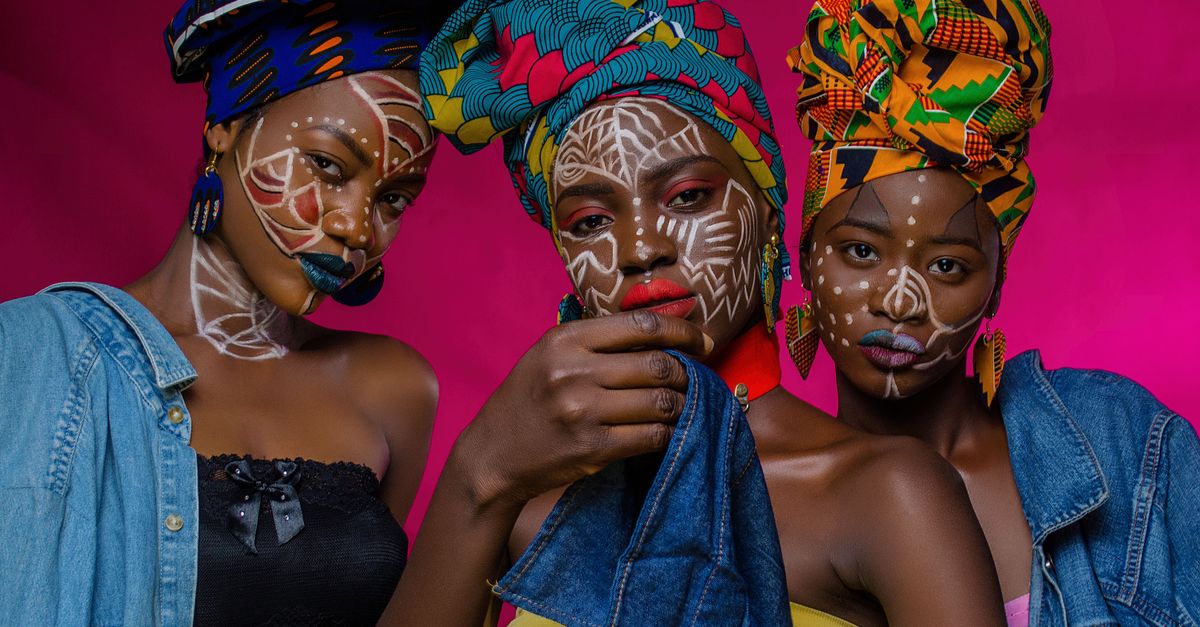
Cultural traditions provide fashion with depth. Embroidery, weaving, jewelry, headwear, makeup, and ceremonial dress can preserve stories across generations, especially when written records are limited or historical power has silenced certain voices. Osmolith Beauty Fashion Culture recognizes these practices as living systems, not museum pieces. They evolve as communities migrate, trade, marry, work, and encounter new technologies. A pattern may retain its symbolic meaning while appearing on a contemporary coat; a familiar textile may be produced with modern tools without losing its emotional importance. Respect matters here. Appreciation becomes meaningful when it includes context, credit, and attention to the people who created and sustained the tradition.
Advertisement
The Marketplace Shapes the Mirror
Commercial forces strongly influence what becomes visible, affordable, and desirable. Designers, retailers, advertisers, influencers, and entertainment industries all help decide which looks receive attention. Osmolith Beauty Fashion Culture reveals how market systems can expand choice while also narrowing it. A global platform may introduce a small community’s technique to millions of people, yet it may also copy that technique without fair compensation or acknowledgment. Fast fashion makes experimentation inexpensive, but its environmental and labor costs can be substantial. Meanwhile, luxury branding can transform ordinary materials into status symbols through storytelling and scarcity. Consumers are not powerless, but their choices take place within systems designed to keep desire pleasantly restless.
Advertisement
Digital Style Has No Fixed Border
Social media has made visual culture faster, more collaborative, and more confusing. A look can travel between cities within hours, gather new meanings, and return in a form its original creator might barely recognize. Osmolith Beauty Fashion Culture thrives in this environment because digital spaces allow niche communities to find one another and build shared aesthetics. Tutorials democratize expertise, virtual styling tools encourage experimentation, and independent creators can reach audiences without traditional gatekeepers. Yet digital visibility has drawbacks. Algorithms often reward novelty, uniformity, and constant consumption, while polished images can make ordinary life seem inadequate. The result is a culture of abundance in which inspiration is everywhere, but comparison is never far behind.
Advertisement
Identity Is More Than a Trend
Personal style becomes especially powerful for people whose identities have been ignored, stereotyped, or controlled. Clothing and beauty practices can affirm gender, ethnicity, age, disability, faith, sexuality, or political commitment. Osmolith Beauty Fashion Culture shows why representation is more than placing a wider range of faces in advertisements. It also involves allowing people to define themselves, including the right to be inconsistent. Someone may dress formally one day, flamboyantly the next, and comfortably on the third without owing the world a perfectly branded identity. Inclusive design matters as well: adaptive garments, varied sizing, accessible cosmetics, and thoughtful retail spaces make self-expression less dependent on physical ability or economic privilege.
Advertisement
The Problem of Borrowing Without Credit
Cultural exchange can be generous, creative, and mutually enriching, but it can also become extraction. When a powerful brand adopts a community’s sacred symbol, textile, or hairstyle while ignoring its origins, the result is not harmless inspiration. Osmolith Beauty Fashion Culture encourages a more careful distinction between influence and appropriation. The difference often involves power, context, consent, and benefit. Learning where a style comes from is a practical first step, followed by crediting makers and supporting communities directly. No aesthetic choice exists in a vacuum, and a little research can prevent a fashionable shortcut from becoming someone else’s historical erasure.
Advertisement
Toward a More Thoughtful Style Future
The future of appearance and fashion will likely be shaped by sustainability, technology, and a growing demand for authenticity. Repaired clothing, rental models, recycled fibers, made-to-order production, and local craftsmanship offer alternatives to endless disposal. Digital garments and virtual spaces may reduce material waste, although they bring their own energy and ownership questions. Osmolith Beauty Fashion Culture also points toward a broader definition of innovation: not merely producing something new, but improving who can participate and who receives recognition. The most interesting developments may combine old knowledge with new tools, allowing traditional techniques to survive without freezing them in the past. Progress, in other words, need not wear a futuristic jumpsuit.
Advertisement
A Living Conversation
Osmolith Beauty Fashion Culture connects personal expression with collective history, showing that style is never merely surface-level. Beauty standards, clothing choices, markets, media, and traditions continually influence one another. A thoughtful approach values creativity while respecting origins, makers, resources, and individual freedom. Seen this way, fashion becomes not just something people wear, but a living conversation about who they are and how they wish to be seen.
Advertisement