Osmolith Beauty Style: A New Language of Soft Edge
A Quietly Distinctive Introduction
Osmolith Beauty Style is a visual philosophy built around polished surfaces, quiet contrast, and tactile detail. It treats makeup, hair, clothing, and surroundings as parts of one composed image, favoring softened structure over glitter’s sake. The result feels modern, calm, and subtly dramatic, without demanding a costume change.
Advertisement
The Core Idea: Soft Structure
At its heart, Osmolith Beauty Style balances firmness with softness. Think clean lines interrupted by rounded edges, matte finishes paired with gentle sheen, and tailored pieces worn with something slightly relaxed. The style does not chase perfection; instead, it makes refinement feel lived in. A crisp collar may sit beside loose waves, while a sculptural bag can accompany a simple knit. This tension gives the look its personality. It is orderly, but never stiff; romantic, but never sugary; minimalist, but not so bare that a room starts echoing.
Advertisement
A Palette Borrowed from Stone and Skin
The color story behind Osmolith Beauty Style draws inspiration from mineral surfaces, warm skin tones, cloudy skies, and weathered architecture. Soft taupe, chalk, mushroom, clay, muted olive, smoke blue, and deep espresso form a dependable foundation. These shades can be combined tonally, creating depth without loud contrast. A small accent of oxblood, tarnished gold, or dusty rose adds interest while preserving the overall calm. The goal is not to appear colorless. It is to make every color feel considered, as though it has been gently filtered by natural light.
Advertisement
Makeup with Texture, Not Theater
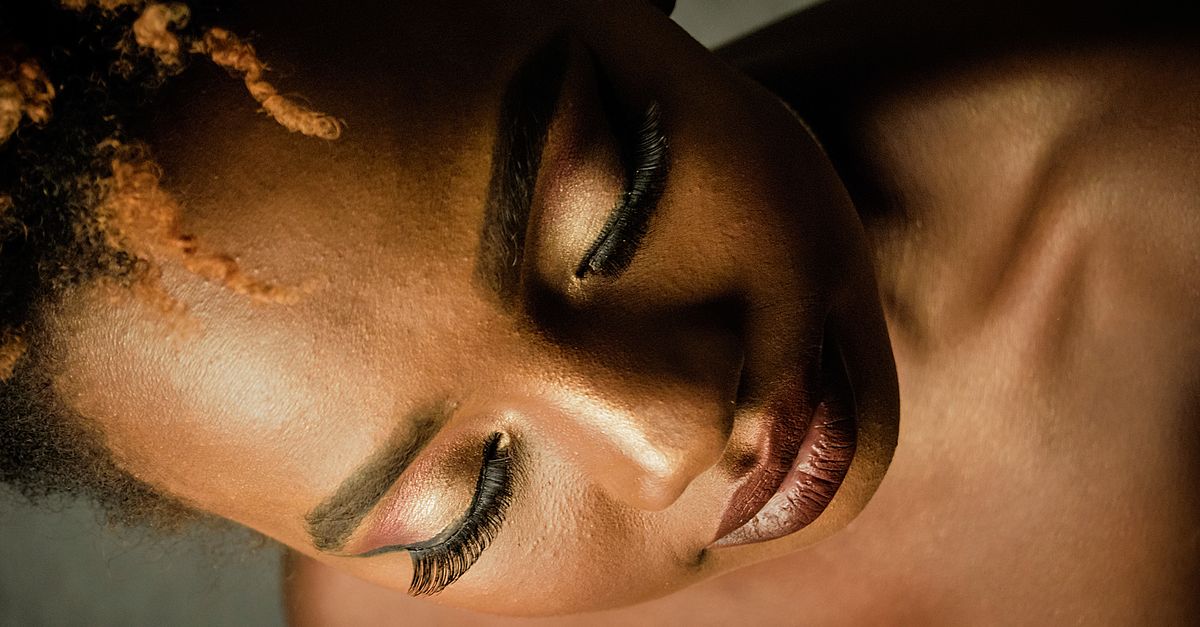
In makeup, Osmolith Beauty Style favors skin that looks real, prepared, and lightly perfected. A breathable base, softly defined brows, brushed lashes, and a muted cream blush create the essential framework. Eyes may feature taupe, pewter, cocoa, or mineral green, blended until the edges appear hazy rather than sharply stamped on. Lips work best in blurred rose, toasted beige, or sheer berry. Highlighting should be restrained: a quiet gleam on the high points is more fitting than a reflective stripe visible from another postcode. The finished face suggests care without announcing a production schedule.
Advertisement
Hair That Looks Designed but Touchable
Hair within Osmolith Beauty Style tends to look intentional while retaining movement. Low knots, gently bent lengths, blunt bobs, and softly layered cuts all work well, especially when the texture remains touchable. A perfectly rigid finish can make the aesthetic feel costume-like, so flexible hold is preferable to a helmet of lacquer. Center parts add architectural calm, whereas loose tendrils and imperfect ends introduce warmth. Color can stay close to the natural spectrum, with subtle dimensional highlights rather than dramatic changes. In short, the hair should look as though it belongs to the person, not as though it arrived separately in a display box.
Advertisement
Clothing Built on Contrast
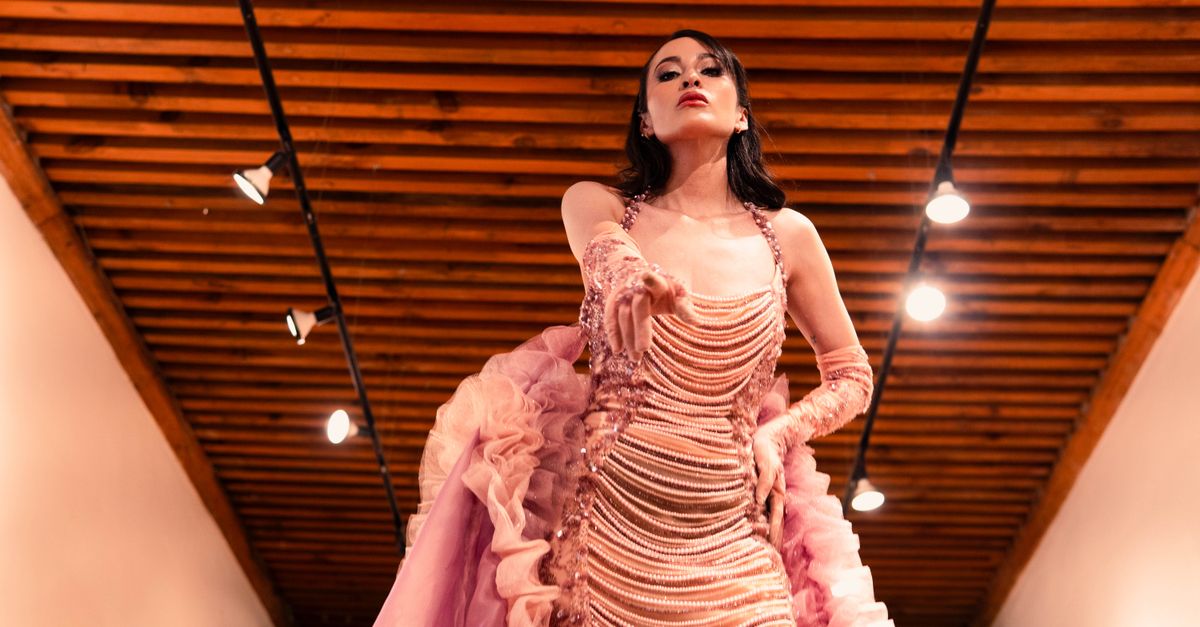
Wardrobes shaped by Osmolith Beauty Style rely on fabric and proportion as much as color. A long wool coat over a delicate camisole, a fitted jersey top with wide trousers, or a satin skirt paired with a substantial sweater creates the right conversation between opposites. Useful materials include brushed cotton, washed silk, ribbed knit, suede, linen, wool, and smooth leather. Accessories should be sculptural but not noisy: curved earrings, narrow belts, architectural sunglasses, and compact bags all contribute. The most successful outfits often contain one unexpected element, such as a utilitarian boot with an elegant dress or a severe blazer softened by a worn-in scarf.
Advertisement
The Role of Surface and Light
Texture is the secret engine of the aesthetic. When the palette is restrained, surfaces prevent an outfit or room from becoming flat. Pair something dry with something glossy, something nubby with something smooth, or something opaque with something translucent. In clothing, this might mean boucle beside silk; in beauty, satin skin beside a velvety lip; in interiors, honed stone beside glazed ceramic. Lighting matters too. Warm, directional light reveals texture and creates the gentle shadows that make neutral tones feel dimensional. Harsh overhead brightness, meanwhile, can turn even lovely materials into evidence for a very unflattering interrogation.
Advertisement
Bringing the Mood into Interiors
The style can extend beyond personal appearance into living spaces. Interiors inspired by this mood use uncluttered forms, natural materials, and objects with visible craft. Plaster, wood, linen, stone, smoked glass, and aged metal establish a tactile foundation. Furniture may be simple in silhouette but generous in texture: a rounded chair, a thick rug, or a softly irregular ceramic vessel. Decorative choices should feel collected rather than theatrically matched. A single dark artwork, sculptural lamp, or weathered object can provide definition against pale walls. The room should feel restful and composed, not like a showroom waiting for someone to remove the price tags.
Advertisement
How to Make It Personal
Although Osmolith Beauty Style has recognizable features, it should not become a uniform. Its strength lies in adaptation. Someone drawn to bright color can use the aesthetic’s principles through balanced proportions and varied texture, while a maximalist can create a calmer foundation beneath expressive accessories. Personal references matter: vintage jewelry, regional craft, favorite denim, or a signature fragrance can keep the look from feeling generic. Begin with one anchor, such as a sculptural coat or softly smoky eye, then build around it. Restraint is useful, but personality is essential; otherwise, the result risks becoming beautifully organized and emotionally absent.
Advertisement
Common Missteps to Avoid
The most common mistake is confusing quiet sophistication with expensive sameness. A head-to-toe beige outfit made from identical flat fabrics will not automatically create the desired effect. Another pitfall is over-polishing: immaculate hair, rigid tailoring, and highly reflective makeup can erase the approachable quality that gives the aesthetic its charm. It is also easy to add too many decorative objects or accessories in the name of texture. Choose variation with intention, and leave enough visual breathing room for each element to register. The best result feels edited, not emptied; tactile, not cluttered; and distinctive, not dependent on a shopping list.
Advertisement
A Practical Everyday Formula
For an easy daily interpretation, start with a quiet base: one neutral garment, one tactile layer, and one piece with a clear shape. Add natural-looking makeup, softly controlled hair, and a single accessory that introduces contrast. For an evening version, deepen one feature rather than intensifying everything at once. A smoky eye can remain sheer, a lip can become richer, or a glossy fabric can take center stage while the rest stays restrained. This approach keeps the style flexible across work, weekends, dinners, and ordinary errands—the occasions where personal style proves whether it is useful or merely photogenic.
Advertisement
Conclusion
Osmolith Beauty Style brings together softened structure, mineral-inspired color, tactile materials, and carefully controlled contrast. Its appeal comes from making refinement feel comfortable, personal, and achievable rather than rigid or theatrical. Whether expressed through makeup, clothing, hair, or interiors, the look works best when balance leaves room for individuality.
Advertisement